
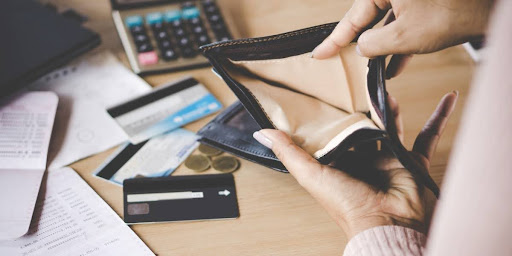
Your credit score after bankruptcy is one of the first things people think about after filing. It affects your ability to get a loan, rent an apartment, or qualify for better interest rates. Many people also ask how long the damage lasts and what they can do to improve their situation.
This guide explains what really happens to your credit, how long bankruptcy stays on your report, and what steps can help you rebuild in a clear and practical way. The goal is to help you understand your options so you can make informed decisions.
What Happens to Your Credit Score After Bankruptcy?
Filing bankruptcy has a direct impact on your credit score. It shows lenders that you were not able to pay your debts under the original terms.
The size of the drop depends on where your score started.
- Higher scores usually drop more
- Lower scores may not drop as much
- Missed payments before filing already lower your score
For example:
- A score around 700 may drop by 150 to 200 points
- A score in the low 600s may see a smaller change
Even though the drop can be significant, it is only the starting point. What you do after filing matters more over time.
Why Your Credit Score After Bankruptcy Can Improve Over Time
Before filing, many people have accounts that are already hurting their credit.
These may include:
- Late payments every month
- Accounts in collections
- High credit card balances
- Charged-off debts
After bankruptcy:
- Many debts are discharged
- Collection activity stops because of the automatic stay
- Your overall debt level is reduced
This creates a more stable base. Your credit score after bankruptcy may still be low at first, but it is no longer being damaged by ongoing missed payments.
Chapter 7 vs Chapter 13 and Credit Impact
The type of bankruptcy you file affects how long it stays on your report and how lenders view it.
Chapter 7 Bankruptcy
Chapter 7 clears most unsecured debts after a short process.
- Stays on your credit report for up to 10 years
- Removes debt quickly
- May cause a larger initial drop
Chapter 13 Bankruptcy
Chapter 13 involves a repayment plan over time.
- Stays on your report for up to 7 years
- Shows that you repaid part of your debt
- May be viewed differently by some lenders
Both options affect your credit score after bankruptcy, but your long-term results depend on how you rebuild your credit.
How Long Does Bankruptcy Stay on Your Credit Report?
This is one of the most common questions.
How Long Does Bankruptcy Stay on Your Credit Report for Each Type?
- Chapter 7 remains for up to 10 years from the filing date
- Chapter 13 remains for up to 7 years from the filing date
What This Means in Real Life
Even though bankruptcy stays on your report for years, its impact changes over time.
Lenders often look at:
- How recent the bankruptcy is
- Whether you have built new credit
- Your payment history after filing
For example:
- Within 1 to 2 years, some people qualify for secured credit cards or basic loans
- After 2 to 4 years, some may qualify for a mortgage depending on their situation
Your credit score after bankruptcy is not fixed. It can improve as you build a stronger credit history.
A Realistic Timeline for Credit Recovery
Rebuilding credit takes time, but there is a general pattern most people follow.
First 3 to 6 Months
- Your score reflects the bankruptcy filing
- Old debts show as discharged
- Credit options are limited
6 to 12 Months
- You may qualify for a secured credit card
- On-time payments begin to help your score
- Small improvements start to show
1 to 3 Years
- Your credit score after bankruptcy can steadily increase
- You may qualify for auto loans or better credit products
- Payment history becomes very important
3 to 5 Years
- Many people reach fair or good credit ranges
- More lenders become available
- Interest rates may improve
5 Years and Beyond
- Bankruptcy matters less in lending decisions
- Strong credit habits can offset past issues
Key Factors That Affect Your Credit Score After Bankruptcy
Not everyone rebuilds credit at the same pace after filing bankruptcy. Two people can file around the same time and still see very different results over the next year or two. That is because your credit score after bankruptcy is shaped by what happens after the case is filed, not just by the bankruptcy itself.
Many people assume their score will improve automatically once debts are discharged. That is not how credit works. Bankruptcy can stop the immediate damage caused by missed payments, collections, and charge-offs, but rebuilding still depends on how you handle credit moving forward.
The good news is that credit scoring follows patterns. If you understand the biggest factors that affect your score, you can focus on the actions that matter most and avoid common mistakes that slow recovery.
Payment History
Payment history is the single biggest factor in most credit scoring models. In simple terms, it shows whether you pay your bills on time.
After bankruptcy, this becomes especially important. Lenders know you had past financial trouble. What they want to see now is whether you have become consistent with current obligations. Every on-time payment helps show that you are managing your finances more carefully.
This does not only apply to credit cards. It can include:
- Secured credit cards
- Car loans
- Personal loans
- Student loans that were not discharged
- Rent, in some cases, if reported
- Utility or cell phone accounts, if reported through certain services
A strong payment history helps because it adds new positive information to your credit report. Over time, that positive history starts to matter more than the older negative history.
Why late payments hurt so much
A late payment can do more damage than many people expect. Even one missed payment can slow progress. If a payment becomes 30 days late or more, it may be reported to the credit bureaus. Once that happens, your score can drop again, even after bankruptcy.
That is frustrating for many people because they feel they are finally getting back on track. That is why payment timing matters so much.
Here is the practical takeaway: rebuilding credit after bankruptcy is not about doing one big thing right. It is about doing small things right over and over again.
How to protect your payment history
To build a stronger credit score after bankruptcy, it helps to create systems that reduce the chance of missing a payment.
Useful strategies include:
- Set up automatic payments for at least the minimum amount due
- Use calendar reminders a few days before each due date
- Keep a simple monthly budget so bills do not catch you off guard
- Avoid opening accounts you are not ready to manage
- Contact a lender early if you think you may miss a payment
Credit Utilization
Credit utilization is the amount of your available revolving credit that you are using. This usually applies to credit cards.
For example, if you have a credit card with a $1,000 limit and your balance is $300, your utilization is 30 percent.
This matters because high credit card balances can make it look like you are relying too heavily on borrowed money. That can lower your score, even if you are making payments on time.
After bankruptcy, utilization becomes one of the fastest-moving parts of your credit score. That means it can help you fairly quickly, but it can also hurt you quickly if balances rise too high.
Why low balances matter
Keeping balances low tells lenders that you are using credit carefully. It shows control. That is especially important after a bankruptcy filing, when lenders may already see you as a higher-risk borrower.
Most people hear the advice to stay under 30 percent of their credit limit. That is a solid general rule. But in many cases, lower is even better.
For example:
- Under 30 percent is generally helpful
- Under 10 percent is often even better for scoring
- Maxing out a card can hurt your score significantly
So if your secured card has a $500 limit, a balance of $50 to $100 is usually much safer than carrying $300 or $400.
How to manage utilization wisely
If you want to improve your credit score after bankruptcy, focus on these habits:
- Use one card for small, planned purchases
- Pay the balance down before the statement date if possible
- Avoid using most of your available limit
- Do not spread spending across several cards unless you can track them carefully
- Ask for a credit limit increase later, if appropriate and available
Utilization can be tricky because it is not only about how much you owe. It is also about when the balance gets reported. A person may pay the card in full every month, but if the reported balance is high, the score can still be affected.
That is why timing and balance management both matter.
Credit Mix
Credit mix refers to the different types of credit accounts on your report. A healthy mix can help your score, although it matters less than payment history and utilization.
There are two main categories of credit:
- Revolving credit, such as credit cards
- Installment credit, such as car loans, credit-builder loans, or mortgages
Having both types can help show that you can handle different forms of borrowing. But this does not mean you should rush out and open accounts just to improve your mix.
What matters most with credit mix
Credit mix is helpful, but only when the accounts are managed well. A mix of accounts does not help if payments are late or balances are too high.
For example, someone might have:
- One secured credit card
- One small installment loan
That can be enough to begin showing a more balanced credit profile, as long as both are paid on time.
On the other hand, opening too many accounts at once can create problems. It can lead to hard inquiries, more monthly bills, and a higher chance of missed payments.
Should you get an installment loan after bankruptcy?
Some people consider a credit-builder loan or small personal loan to add variety to their credit report. That may help in some situations, but it is not always necessary right away.
Ask yourself:
- Can I afford another monthly payment?
- Am I opening this account for a clear reason?
- Will I be able to manage it without stress?
If the answer is no, it may be better to focus on one well-managed secured card first.
A lot of credit rebuilding after bankruptcy comes down to avoiding overcomplication. You do not need a perfect mix immediately. You need a manageable plan.
Length of Credit History
Length of credit history refers to how long your accounts have been open. Older accounts can help your score because they show a longer record of credit use.
This factor matters, but it works more slowly than payment history or utilization. It is a long-term part of credit rebuilding.
After bankruptcy, people sometimes want to close old accounts, especially if they are trying to simplify their finances. In some cases, that makes sense. But in other cases, closing an account can reduce the average age of your credit history or lower your available credit, which may hurt your score.
Why older accounts matter
Older accounts help provide context. They show whether you have managed credit over time, not just for a few months.
If you still have an open account in good standing after bankruptcy, keeping it open may help, depending on the circumstances. However, not every account will survive bankruptcy, and not every open account is worth keeping.
For example, it may make sense to keep an older card open if:
- It has no annual fee
- You can manage it responsibly
- It helps your available credit
- It has a longer account history
It may make less sense to keep an account open if:
- It has high fees
- It tempts you to overspend
- It no longer fits your budget
Other Important Factors To Know About
Payment history, utilization, credit mix, and account age are the main building blocks, but they are not the only issues that can affect your progress.
Credit report accuracy
Errors on your report can slow or distort your recovery. After bankruptcy, it is important to review your reports and make sure accounts are being reported correctly.
Look for issues such as:
- Debts that should show as discharged but still appear unpaid
- Duplicate accounts
- Incorrect balances
- Wrong dates
- Accounts marked delinquent after the bankruptcy filing when they should not be
Even if you do everything right, inaccurate reporting can hold back your score.
New credit applications
Every time you apply for new credit, a hard inquiry may appear on your report. A few points may be lost temporarily, and too many applications in a short period can make lenders nervous.
After bankruptcy, it is usually better to apply carefully and only when there is a real reason.
Public record age
Bankruptcy itself remains on your credit report for a set period of time. That leads many people to ask whether the score can improve while the bankruptcy is still showing.
Yes, it can.
That is one of the most important points to understand. Your score does not stay frozen until the bankruptcy disappears. Positive credit behavior can help your score improve long before that happens.
Questions Often Asked About What Affects a Credit Score After Bankruptcy
Which factor matters most for a credit score after bankruptcy?
Payment history matters most. Making every payment on time is one of the best ways to rebuild a credit score after bankruptcy because it adds positive information to your report month after month.
Does keeping balances at zero help more than using a credit card?
Using a credit card lightly and paying it on time is often more helpful than never using it at all. Responsible activity gives the credit bureaus something positive to measure.
Is staying under 30 percent enough?
Staying under 30 percent is a good starting point, but lower is often better. Many people see stronger results when they keep credit card use below 10 percent of the limit.
Will closing old accounts improve my credit?
Not always. Closing an older account can shorten your credit history and lower your available credit. That can work against your rebuilding efforts in some cases.
Do I need both credit cards and loans to rebuild?
No. A mix of account types can help, but you do not need multiple accounts right away. It is usually better to manage one or two accounts well than to open too many too soon.
Common Mistakes That Slow Credit Recovery
Some actions can delay improvement in your credit score after bankruptcy.
- Applying for too many accounts at once
- Carrying high balances on credit cards
- Missing even one payment
- Ignoring errors on your credit report
It is also common to expect fast results. Credit recovery is steady, not immediate.
How to Rebuild Your Credit Score After Bankruptcy
A simple plan can help you move forward.
Use a Secured Credit Card
- Requires a deposit
- Easier to get approved
- Helps build payment history
Pay Every Bill on Time
- Set reminders or automatic payments
- Focus on consistency
Keep Balances Low
- Avoid using your full credit limit
- Pay balances down quickly
Check Your Credit Reports
- Review for errors
- Confirm debts show as discharged
- Dispute incorrect information
Build Credit Slowly
- Open accounts over time
- Avoid taking on too much credit at once
Can You Get Approved for Credit After Bankruptcy?
Yes, but timing matters.
Some common timelines include:
- Secured credit cards within months
- Auto loans within 1 to 2 years
- Mortgage options after waiting periods, often 2 to 4 years
Lenders will review your credit score after bankruptcy, but they also consider how you manage credit after filing.
Example of Credit Score Recovery
Here is a simple example:
A person files Chapter 7 with a score of 620.
- After filing, the score drops to around 500
- Within 12 months, they open a secured credit card
- They make all payments on time
After 2 years:
- Their score may rise to 620 or higher
- They may qualify for better credit options
This shows how consistent habits can lead to steady improvement.
Frequently Asked Questions About Credit Score After Bankruptcy
How much does your credit score after bankruptcy drop?
The drop depends on your starting score. Many people see a decrease of 100 to 200 points, but it varies based on credit history.
How long does bankruptcy stay on your credit report and affect your score?
Chapter 7 can stay for up to 10 years, while Chapter 13 can stay for up to 7 years. The impact on your credit score after bankruptcy becomes smaller over time.
Can your credit score after bankruptcy improve within a year?
Yes. You may see early improvement within a year if you make on-time payments and keep balances low.
Is it possible to reach a high credit score after bankruptcy?
Yes. Many people reach strong scores again with consistent credit use and good financial habits over time.
Should you avoid using credit after bankruptcy?
No. Using credit carefully helps rebuild your credit score after bankruptcy. Avoiding it completely can slow your progress.
What is the fastest way to rebuild credit after bankruptcy?
Focus on:
- Paying all bills on time
- Keeping balances low
- Using a secured card responsibly
What This Means for You
Your credit score after bankruptcy will not stay low forever. It reflects both your past and your current behavior.
- Bankruptcy does not block you from future credit
- Lenders look at how you manage credit after filing
- Steady habits lead to real improvement
Understanding this helps you take the right steps without guessing.
Moving Forward With Confidence
Rebuilding your credit score after bankruptcy takes time, but it is possible with consistent effort and clear steps. The key is to focus on what you can control today.
If you are thinking about filing bankruptcy or want to understand how it may affect your credit, Standley Law Office can walk you through your options. Contact us to discuss your situation and get clear guidance on what comes next.