
If you’ve been searching what is bankruptcy, you’re probably dealing with real financial pressure. Maybe you’re behind on credit cards. Maybe your paycheck is being garnished. Maybe medical bills or job loss changed your situation fast. Whatever brought you here, you want clear answers.
So let’s start simple.
What is bankruptcy? Bankruptcy is a legal process under federal law that helps people deal with debt they cannot afford to pay. It is handled in federal court. When you file, the court steps in and applies rules that decide what happens to your debts, income, and property.
Bankruptcy is not just for businesses. Most cases filed in the United States involve regular people and families. According to federal court data, hundreds of thousands of consumer bankruptcy cases are filed every year. Many involve job loss, medical issues, divorce, or long-term financial strain.
Let’s walk through how it works and what you should know.
How Does Bankruptcy Work?
A common question people ask is, how does bankruptcy work once you decide to file?
Here’s the basic process:
- You complete a required credit counseling course
- You gather documents about your income, debts, and property
- Your attorney files a bankruptcy petition with the court
- The automatic stay goes into effect
- You attend a meeting of creditors
- You complete a financial management course
- The court issues a discharge if you qualify
Working with a Tampa bankruptcy lawyer during this process helps make sure your petition is complete and filed correctly from the start.
That’s the structure. Now let’s explain what those steps really mean.
The Automatic Stay
One of the most powerful parts of bankruptcy is something called the automatic stay.
As soon as your case is filed, most collection activity must stop. That usually includes:
- Wage garnishment
- Collection calls
- Lawsuits for unpaid debts
- Foreclosure actions
- Repossession efforts
This protection happens by law. Creditors are required to pause collection while your case is active. For many people, this is the first real break they’ve had from constant financial pressure.
The Meeting of Creditors
About a month after filing, you attend what’s called a 341 meeting, also known as a meeting of creditors.
Despite the name, it is not held in a courtroom. A bankruptcy trustee asks you questions about your paperwork to confirm everything is accurate. Creditors are allowed to attend, but in most consumer cases, they don’t show up.
The meeting is usually short and straightforward.
The Discharge
If everything goes as planned, the court issues a discharge order. A discharge means you are no longer legally responsible for paying certain debts.
Understanding how does bankruptcy work means understanding that full and honest financial disclosure is required. The court expects accurate information about your income, property, and debts.
What Are the Main Types of Bankruptcy?
When people ask what is bankruptcy, they’re often really asking which type applies to them.
For individuals, the two most common types are:
- Chapter 7
- Chapter 13
Let’s break those down.
Chapter 7 Bankruptcy
Chapter 7 is sometimes called liquidation bankruptcy.
In a Chapter 7 case:
- A trustee reviews your assets
- Certain property may be sold if it is not protected
- Many unsecured debts can be discharged
Unsecured debts usually include:
- Credit cards
- Medical bills
- Personal loans
- Old utility bills
Florida law provides exemptions that protect many types of property. For example, Florida has a strong homestead exemption for primary residences under certain conditions. Retirement accounts are also often protected.
Many people who file Chapter 7 keep their essential property.
To qualify, you must pass a means test. The means test compares your income to the median income in Florida and looks at allowable expenses. If your income is too high, Chapter 13 may be the better option.
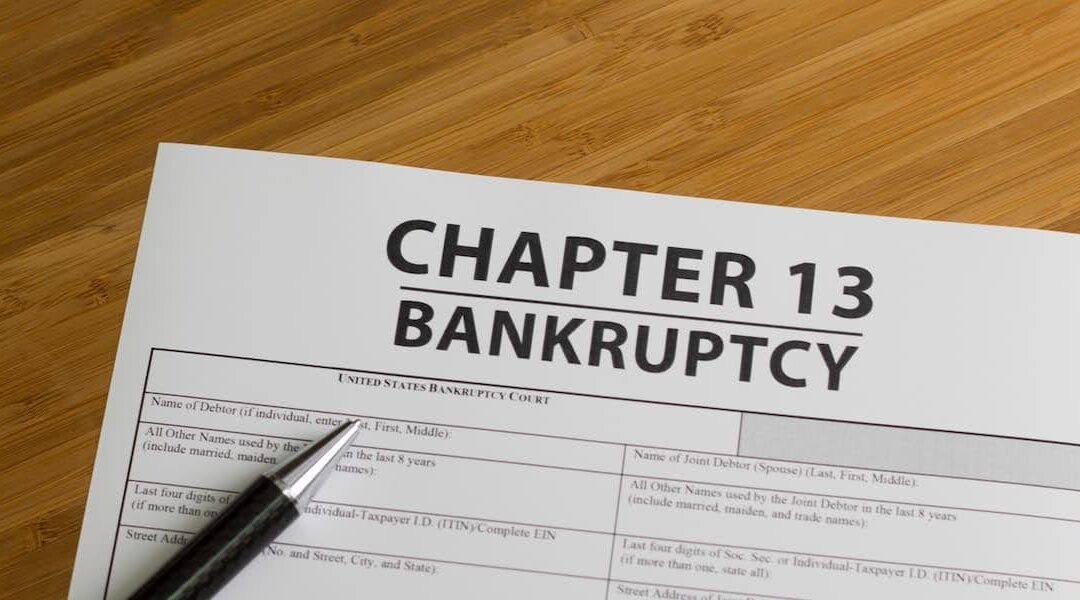
Chapter 13 Bankruptcy
Chapter 13 works differently.
Instead of eliminating debts right away, you create a repayment plan that lasts three to five years.
In a Chapter 13 case:
- You make monthly payments to a trustee
- The trustee distributes money to creditors
- You may catch up on mortgage or car payments
- Remaining qualifying unsecured debt may be discharged at the end
Chapter 13 can be helpful if:
- You are behind on your mortgage but want to keep your home
- You have regular income
- You do not qualify for Chapter 7
- You want to protect property that might not be exempt
If you’re trying to understand what is bankruptcy in your specific situation, the choice between Chapter 7 and Chapter 13 is one of the biggest decisions.
What Debts Can Be Discharged?
Another major question is what bankruptcy can actually eliminate.
Debts that are often discharged include:
- Credit card balances
- Medical bills
- Personal loans
- Collection accounts
However, some debts are usually not discharged:
- Child support
- Alimony
- Most student loans
- Recent tax debts
- Criminal fines
Student loans require a separate legal process to try to discharge them, and it is difficult to qualify.
If you’re also applying for Social Security Disability benefits due to a medical condition, bankruptcy may affect how creditors pursue you, but SSDI benefits themselves are generally protected from most creditors.
What Happens to Your Property?
Many people worry that filing means losing everything. That’s rarely how it works.
Exemption laws protect certain property. In Florida, this may include:
- Your primary home under the homestead exemption
- Retirement accounts
- Certain personal property
- A vehicle up to a certain value
Chapter 13 can provide additional protection by allowing you to repay debt over time instead of selling assets.
Understanding how does bankruptcy work includes understanding how exemptions apply in your state.
How Bankruptcy Affects Your Credit
Bankruptcy will appear on your credit report.
Here’s a general overview:
| Type of Bankruptcy | Time on Credit Report |
| Chapter 7 | Up to 10 years |
| Chapter 13 | Up to 7 years |
Your credit score usually drops at first. That said, many people begin rebuilding credit sooner than they expect. Some receive credit offers within a year after discharge. That does not mean you should take on new debt quickly, but it shows the impact is not permanent.
Why People File for Bankruptcy
Financial problems rarely happen for just one reason. Most people don’t wake up one day and decide to file. It usually builds over time, then one or two events push things past the breaking point.
A lot of the people who start looking up what is bankruptcy are dealing with a mix of:
- Not enough income coming in
- Bills that keep rising
- Debt that grows faster than they can pay it down
- Collection pressure that makes it hard to think clearly or plan
Below are the most common reasons people file, plus what each one tends to look like in real life.
Job Loss or Hours Cut Back
When a job ends, or hours drop, the math changes fast. Bills that were manageable can become impossible within a few months.
This often leads to:
- Using credit cards for groceries, gas, and basics
- Skipping one bill to keep up with another
- Falling behind on car payments or rent
- Taking on high-interest loans to cover gaps
Even if you find new work, it may pay less than before. That can keep the pressure going long after the job loss itself.
Reduced Income That Never Fully Recovers
Some income drops are permanent or long-term. Maybe overtime ended. Maybe a business slowed down. Maybe a household went from two incomes to one.
Reduced income often causes:
- Minimum payments that used to work now barely touch the balance
- Late fees and higher interest rates
- A growing pile of “catch-up” bills that never gets caught up
This is one of the most common patterns: people keep trying to pay their way out, but interest and missed payments keep pulling them back.
Medical Issues and Medical Bills
Medical issues can create a double hit:
- New medical bills and out-of-pocket costs
- Lost income if you can’t work the same way you used to
Even with insurance, you can still face:
- Deductibles and co-pays
- Coinsurance percentages
- Out-of-network charges
- Prescriptions and ongoing treatment costs
This is why medical debt is often tied to bankruptcy filings. It is not always about one large hospital bill. Sometimes it is months of smaller bills stacking up while income drops.
Divorce or Separation
Divorce can change a household’s finances overnight. Two people supporting one home becomes two people supporting two homes. Legal fees can add more strain.
Common financial issues after divorce include:
- Taking on debt that used to be shared
- One person keeping the house but struggling with the payment alone
- A need to refinance, move, or replace household items
- Child-related costs that rise during a transition
Divorce can also connect with other problems like job changes, childcare needs, and missed payments during the process.
Lawsuits, Judgments, and Wage Garnishment
Some people don’t think about bankruptcy until they get served with a lawsuit or learn their wages will be garnished. Once a judgment is entered, a creditor may have more ways to collect, depending on the type of debt and the facts of the case.
People usually start searching for answers when they are dealing with:
- A court summons for a credit card or loan
- A judgment that adds interest and court costs
- Wage garnishment that cuts into take-home pay
- Bank account levies in certain situations
This kind of pressure can turn a tight budget into a crisis quickly.
High-Interest Credit Card Debt
Credit cards can be useful, but high interest can make repayment feel impossible, especially if you are only paying the minimum.
Here’s what often happens:
- A balance grows due to interest, even when you make payments
- Cards get maxed out during a hard season, then stay maxed out
- Late payments trigger penalty APRs and more fees
- People start rotating payments between cards to keep accounts open
This is one of the most frustrating situations because you may be paying every month and still watching the debt climb.
How These Causes Usually Stack Together
Many cases include more than one of the causes above. A common pattern looks like this:
- An income drop starts the problem
- Credit cards fill the gap
- A medical issue or family change increases expenses
- A lawsuit, garnishment, or repossession threat increases the pressure
- People look for a structured legal option because the debt has no clear end point
That’s why bankruptcy is often not about “bad choices.” It is usually about a set of events that created a debt load that does not match the household’s income anymore.
Example: Medical Condition, SSDI, and Rising Debt in Tampa
For someone in Tampa who had to stop working because of a medical condition, debt can build quickly. If you are also waiting on SSDI approval, that waiting period can be financially brutal.
If a health issue has limited your ability to work, our guide on what conditions qualify for disability can help you determine whether SSDI is worth pursuing alongside your bankruptcy options.
During that time, people often face:
- Reduced or no income while bills keep coming
- Medical costs that continue during treatment
- Credit cards being used to cover basic living expenses
- Collection calls and letters increasing over time
- Risk of lawsuits or wage garnishment if income resumes before things stabilize
In that situation, understanding what options exist, and how bankruptcy could fit into a broader plan, can help you make decisions based on facts instead of pressure.
Questions Readers Often Have
How do I know if my situation is “bad enough” to consider bankruptcy?
A practical way to think about it is whether your debt has a realistic end point. If you can pay it off within a reasonable time without skipping essentials, you may not need bankruptcy. If the debt is growing, you are falling behind, or collection actions are starting, it may be time to learn your options.
Is bankruptcy only for people with huge debt?
No. Bankruptcy is often about cash flow, not just totals. Some people file with moderate debt because their monthly payments are impossible. Others file with larger balances but stable income and choose Chapter 13 to create a payment plan.
Will filing stop collection calls and lawsuits?
In many cases, yes. When a case is filed, the automatic stay usually stops most collection activity, including many lawsuits and garnishments. There are exceptions, and your specific facts matter, but this is one of the key protections people look for.
What if my main problem is medical bills?
Medical bills are commonly included as unsecured debt. Whether bankruptcy is the right fit depends on your full financial picture, including income, other debts, and property. Many people in this situation want clarity on what would be discharged and what would not.
If I’m waiting on SSDI, should I wait to file bankruptcy?
Sometimes timing matters, sometimes it does not. It depends on your income, your assets, and what type of debt pressure you are facing right now. If lawsuits, garnishment, or repossession are on the table, waiting may increase risk. If the situation is stable, it may be reasonable to plan carefully. The right answer is case-specific.
For a full walkthrough of the application process, our guide on how to apply for Social Security disability benefits in Florida covers what to expect at each stage.
Key Takeaways
- Most people file because several financial stressors stack up, not because of one single problem.
- Income changes, medical issues, divorce, and high-interest debt are common triggers.
- Lawsuits and wage garnishment often push people to look for a legal solution.
- If a medical condition stops you from working and you are waiting on SSDI, debt can rise fast, especially when you are using credit to cover basics.
Advantages and Consequences
Potential Advantages
Bankruptcy can:
- Stop wage garnishment
- Pause foreclosure actions
- Eliminate certain unsecured debts
- Provide a structured repayment plan
- Give legal protection from creditors
Possible Consequences
At the same time, you should consider:
- Bankruptcy becomes part of the public record
- Credit scores may drop initially
- Some debts remain
- Full financial disclosure is required
This is a legal process, not an informal agreement. It has long-term effects, so it should be reviewed carefully.
Are There Alternatives to Bankruptcy?
Before filing, you may consider:
- Debt settlement programs
- Credit counseling
- Negotiating directly with creditors
- Defending collection lawsuits
Debt settlement companies do not have the power of the automatic stay. They cannot force creditors to stop collecting. Bankruptcy is backed by federal law, which makes it different from informal arrangements.
Frequently Asked Questions About What Is Bankruptcy
What is bankruptcy in simple terms?
What is bankruptcy? It is a federal court process that helps people deal with debt they cannot afford to pay. It may eliminate certain debts or create a structured repayment plan, depending on the chapter you file.
How does bankruptcy work if I am being garnished?
When you file, the automatic stay usually stops wage garnishment right away. That is one of the clearest examples of how does bankruptcy work in practice.
How does bankruptcy work with my home?
If you are current on your mortgage and your home is protected by exemptions, you may keep it in Chapter 7. If you are behind, Chapter 13 may allow you to catch up through a repayment plan.
What is bankruptcy going to do to my credit?
Bankruptcy will appear on your credit report for several years. Credit scores often drop at first. Over time, responsible financial behavior can help rebuild credit.
Do you handle bankruptcy cases in Tampa?
Standley Law Office works with individuals and families in the Tampa Bay area on Chapter 7 and Chapter 13 cases. Each case starts with a review of income, debts, and goals.
Moving Forward With Clear Information
If you’re still asking what is bankruptcy and whether it makes sense for you, the next step is reviewing your specific financial situation.
Bankruptcy law is detailed. Small differences in income, assets, and timing can change your options. Getting accurate information allows you to make decisions based on facts, not fear.
Standley Law Office in Tampa focuses on consumer bankruptcy and Social Security disability matters. If you would like to discuss Chapter 7, Chapter 13, wage garnishment, or related issues, contact us for more information or visit our bankruptcy service page to learn more about your options.